Find Color Change Powder for Paint, Plastic, and Cosmetic Uses
Source 30 verified options for color change powder suitable for paint, plastic, and cosmetic applications. Buyers can compare particle sizes, certifications, and delivery times to select the right supplier for their manufacturing needs.
Key considerations
Products List


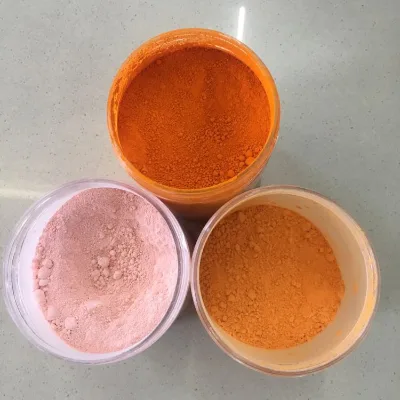
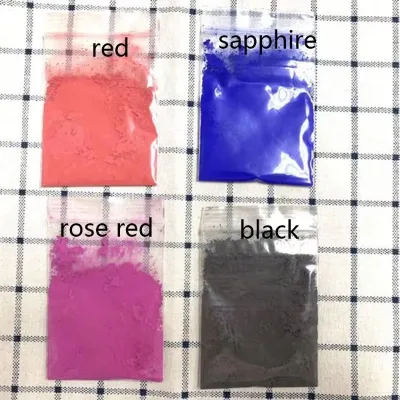


$4.50 - $6.50
Moq: 100


Comprehensive Sourcing Guide
Strategic Sourcing Guide for Color Change Powder Procurement
Navigating the global market for color change powder requires a disciplined approach that balances aesthetic innovation with rigorous technical verification. Buyers seeking these specialized pigments must understand that "color change" is not a single monolithic product but a category encompassing various technologies, from inorganic inorganic pigments to advanced chameleon powders. The procurement process begins with a clear definition of the required optical effect, as the market offers distinct variations ranging from simple color shifts to complex multi-angle interference effects. This guide outlines the critical factors for sourcing these materials safely and effectively, relying on observable product attributes and verified industry standards rather than unverified marketing claims.
Technical Specifications and Optical Properties
The foundation of any successful procurement for color change powder lies in the precise understanding of technical specifications. The optical performance of these materials is heavily dependent on particle size distribution, which dictates how light interacts with the pigment surface. In the current market, observed particle sizes for these powders vary significantly, ranging from fine granules of 3-8 micrometers to coarser distributions up to 150 micrometers. For applications requiring a smooth, uniform finish, such as high-end automotive coatings or cosmetics, the smaller particle size range is typically preferred to ensure even dispersion and a refined texture. Conversely, applications like industrial plastics or ceramics may accommodate the broader 10-70 micrometer or even 10-150 micrometer ranges, where structural integrity and opacity are prioritized over fine surface gloss.
The chemical composition and type of the pigment are equally critical determinants of performance. The market distinguishes between synthetic and natural origins, with synthetic inorganic pigments often providing the most consistent color-shifting capabilities. Specific product models in the supply chain, such as those designated with codes like OCROWN 56133 or OCROWN 7145, indicate specific formulations tailored for distinct optical outcomes. Buyers must verify the specific pigment type, noting that some products utilize Iron Oxide Yellow or Cobalt Blue as base components, while others employ Chrome Oxide Green or Lead Chrome Green for green-hued shifts. The "Color Shift" attribute, often quantified as a 2-4 color shift range, is a key performance indicator that buyers should request in technical data sheets to ensure the product meets the desired visual effect.
Furthermore, the physical form and solubility characteristics must align with the intended manufacturing process. These powders are generally supplied in an insoluble powder form, which is essential for their stability in various media. The feature set often includes being odorless and non-toxic, which is a prerequisite for applications in cosmetics and food packaging. However, the presence of specific heavy metals must be carefully evaluated based on the specific product model and region of origin. While some products are certified as free of heavy metals, others may contain specific compounds that require strict handling protocols.
Compliance, Certification, and Safety Standards
In the B2B procurement of color change powders, compliance with international safety and environmental standards is non-negotiable. The market landscape includes products that have undergone third-party verification, with certifications such as SGS Approved and ISOCCC appearing as critical markers of quality assurance. These certifications serve as evidence that the supplier has subjected their products to rigorous testing for heavy metal content, toxicity, and environmental impact. Buyers must not assume that all color change powders are safe for every application; instead, they must demand specific documentation for each batch.
The availability of Technical Data Sheets (TDS) and Material Safety Data Sheets (MSDS) is a fundamental requirement for any compliant transaction. These documents provide the necessary information regarding handling, storage, and disposal, as well as detailed chemical composition. Some suppliers also provide Certificates of Analysis (CoA), which offer batch-specific verification of the product's physical and chemical properties. When sourcing from regions such as Jiangsu, China (Mainland), or other major manufacturing hubs, buyers should verify that the supplier adheres to the relevant standards, such as those indicated by product codes like 3242 or 88711-88715.
It is crucial to distinguish between general safety claims and verified certifications. While many products are marketed as "Eco-Friendly" or "Free of Heavy Metal," these attributes must be backed by the aforementioned documentation. For applications in the textile, paper, and leather industries, compliance with local regulations regarding chemical usage is paramount. Buyers should verify that the supplier's production standards align with the specific regulatory requirements of the destination market, ensuring that the product can be legally imported and used without risking regulatory penalties.
Cost Drivers and Economic Factors
The pricing structure for color change powder is influenced by a complex interplay of factors, including raw material costs, particle size precision, and the complexity of the optical effect. The observed price range in the market is extensive, spanning from 0.1 to 5000 USD per unit, reflecting the diversity of product grades and quantities. High-performance pigments with precise particle size control and advanced color-shifting capabilities typically command a premium price. The cost is also driven by the packaging requirements; products may be supplied in bags, barrels, or cartons with specific weight configurations, such as 25 kilograms per carton, which can impact logistics costs.
Minimum Order Quantity (MOQ) is another significant economic factor. The market exhibits a wide MOQ range, from as low as 100 grams for sample orders to 100,000 units for bulk industrial contracts. Buyers must balance their immediate needs with the cost efficiency of larger orders. While smaller MOQs offer flexibility for prototyping and small-batch production, they often come with a higher unit cost. Conversely, large-volume orders can significantly reduce the per-unit price but require substantial capital investment and storage capacity.
Lead times also play a role in the total cost of ownership. Delivery times can vary from 3-7 work days for standard items to 7-10 days or even 5-20 days depending on the exact amount and production schedule. These variations can affect inventory management and production planning. Buyers should factor in these lead times when calculating the total cost, especially for time-sensitive projects. Additionally, the origin of the product, such as China or specific regions within it, can influence shipping costs and import duties, which must be included in the final cost analysis.
Typical Applications and Industry Use Cases
Color change powders are versatile materials with applications spanning a wide array of industries. The primary usage sectors include paint, plastic, cosmetic, ceramic, textile, paper, leather, and ink. In the automotive and coatings industry, these powders are used to create finish coats that exhibit dynamic color shifts, enhancing the aesthetic appeal of vehicles and consumer goods. The "Finish Coat" attribute indicates that these pigments are often used as the final layer in a coating system, providing the visual effect that defines the product's appearance.
In the cosmetics sector, the demand for safe, non-toxic, and odorless pigments is high. Products certified as free of heavy metals are particularly sought after for use in makeup and personal care items. The particle size of 3-8 micrometers is often ideal for cosmetic applications, ensuring a smooth application and a high-quality finish. Similarly, in the plastic and ceramic industries, the insolubility and thermal stability of these powders make them suitable for high-temperature processing. The ability to withstand the rigors of manufacturing processes without degrading is a key requirement for these applications.
The textile and paper industries also utilize color change powders to add unique visual effects to fabrics and printed materials. The "Spray" method is often recommended for applying these pigments, particularly in automotive and industrial coating applications, where even coverage is critical. Buyers should consider the specific method of application when selecting a product, as the particle size and solubility will affect the ease of application and the final result. The versatility of these powders allows them to be used in a wide range of products, from everyday consumer goods to high-end industrial components.
Supplier Evaluation and Quality Control
Evaluating suppliers for color change powder requires a systematic approach that goes beyond price comparisons. Buyers should prioritize suppliers who provide comprehensive technical documentation, including TDS, MSDS, and CoA, as these documents are essential for verifying product quality and safety. The presence of certifications such as SGS Approved and ISOCCC is a strong indicator of a supplier's commitment to quality and compliance. However, buyers must verify that these certifications are current and applicable to the specific product model being purchased.
Quality control measures should be integrated into the procurement process. This includes requesting samples for testing before placing large orders. The availability of samples is a common feature in the market, allowing buyers to evaluate the color shift, particle size, and overall performance of the product. Buyers should conduct their own tests to ensure that the product meets their specific requirements, particularly regarding color consistency and durability. The "Product" attribute, such as "Color Shift Pigment Color Changing Chameleon Powder," should be matched against the actual sample to confirm the visual effect.
Additionally, buyers should assess the supplier's production capabilities and logistics. The origin of the product, such as Jiangsu, China (Mainland), can provide insights into the supplier's manufacturing environment and capacity. Understanding the supplier's lead times and delivery capabilities is crucial for maintaining a steady supply chain. Buyers should also inquire about the packaging standards, ensuring that the product is protected during transit to prevent contamination or damage. The "Bag Barrel" and "25kgs Per Carton" packaging options indicate different handling requirements that must be considered in the logistics planning.
Long-Term Procurement Considerations
Sourcing color change powder is not a one-time transaction but a long-term relationship that requires ongoing management. Buyers should consider the scalability of their supply chain, ensuring that the supplier can meet increasing demand as their business grows. The ability to negotiate packaging and delivery terms, such as the "Can Be Negotiated" option for carton sizes, can provide flexibility in managing inventory and costs. Buyers should also monitor the market for changes in raw material availability and pricing, as these factors can impact the long-term viability of the product.
Sustainability is another critical long-term consideration. As environmental regulations become more stringent, buyers should prioritize suppliers who demonstrate a commitment to eco-friendly practices. The "Eco-Friendly" and "Non-Toxic" attributes of many color change powders align with these goals, but buyers must verify these claims through independent testing and certification. The use of inorganic pigments, which are often more stable and environmentally friendly than organic alternatives, can be a strategic choice for long-term procurement.
Finally, buyers should maintain a proactive approach to supplier relationship management. Regular communication with suppliers regarding product updates, quality issues, and market trends can help mitigate risks and ensure a steady supply of high-quality color change powders. By focusing on technical specifications, compliance, and long-term strategic planning, buyers can build a robust supply chain that supports their business growth and innovation goals. The ability to adapt to changing market conditions and customer demands will be key to maintaining a competitive edge in the color change powder sector.
FAQs
What particle sizes are available for color change powder?
Available particle sizes range from 3-8 micrometers up to 150 micrometers depending on the specific product model. Buyers should select finer sizes like 3-8 micrometers for cosmetic applications requiring smooth texture, while industrial uses may accommodate coarser ranges up to 150 micrometers for structural integrity.
Which certifications verify the safety of these pigments?
Products may carry SGS Approved and ISOCCC certifications to verify safety and compliance. These documents confirm the material has undergone rigorous testing for heavy metal content and toxicity, ensuring suitability for sensitive applications like cosmetics and food packaging where safety is paramount.
Can I obtain samples before placing a bulk order?
Samples are available for evaluation prior to committing to large quantities. This allows buyers to verify the color shift effect, particle size, and overall performance against their specific requirements before negotiating minimum order quantities or finalizing the procurement contract with the supplier.
What are the typical delivery times for these powders?
Delivery times typically range from 3-7 work days to 5-20 days depending on the exact order amount. Buyers should account for these variations in their production planning, as lead times can extend based on the specific product model and the volume requested by the manufacturer.
How is the product packaged for shipment?
Packaging options include bags, barrels, or cartons with configurations like 25 kilograms per carton. The specific packing method can be negotiated, ensuring the product remains protected during transit while accommodating different logistics requirements and storage capacities at the destination facility.
What are the minimum order quantities for purchase?
Minimum order quantities vary widely from 100 grams for samples to 100,000 units for bulk contracts. Smaller MOQs offer flexibility for prototyping, while larger orders reduce the per-unit cost but require significant capital investment and adequate storage capacity for the incoming inventory.